
Product Description
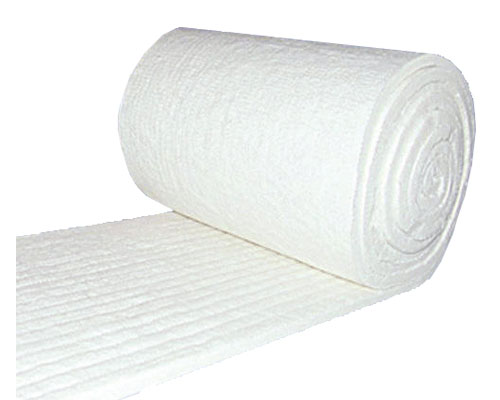
Ceramic fiber blanket is a high-performance insulation material designed for demanding high-temperature applications. Manufactured from high-purity alumina-silica fibers, it provides excellent thermal insulation, low heat loss, and long service life under extreme conditions.
It is widely used in aluminum melting, filtration, and transfer systems, as well as industrial furnaces and kilns. With optimized density and strong resistance to thermal shock, it helps improve energy efficiency and maintain stable operating temperatures.
Our ceramic fiber blanket is specifically developed for aluminum processing environments, offering reliable performance, chemical stability, and compatibility with molten aluminum systems.

What is Ceramic Fiber Blanket
Ceramic fiber blanket is a high-performance insulation material designed for demanding high-temperature applications. Manufactured from high-purity alumina-silica fibers, it provides excellent thermal insulation, low heat loss, and long service life under extreme conditions.
It is widely used in aluminum melting, filtration, and transfer systems, as well as industrial furnaces and kilns. With optimized density and strong resistance to thermal shock, it helps improve energy efficiency and maintain stable operating temperatures.
Our ceramic fiber blanket is specifically developed for aluminum processing environments, offering reliable performance, chemical stability, and compatibility with molten aluminum systems.
What Are the Key Features and Benefits of Ceramic Fiber Blanket?
Ceramic fiber blanket offers several key advantages in high-temperature applications:
- High temperature resistance up to 1260°C–1430°C
- Low thermal conductivity for improved energy efficiency
- Excellent resistance to thermal shock
- Lightweight and easy to cut, handle, and install
- Excellent chemical stability in molten aluminum environments
- Long service life with consistent performance
Where Is Ceramic Fiber Blanket Used in the Aluminum Industry?
Ceramic fiber blanket is widely used in the following aluminum processing applications:
- Aluminum melting furnaces
- Holding furnaces
- Molten aluminum filtration systems
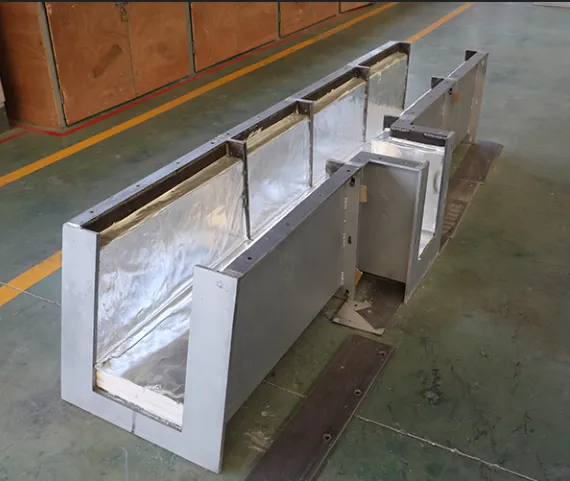
- Launder and transfer trough insulation
- Degassing and purification units
Optimized for molten aluminum environments, ensuring stable performance and reduced contamination risk.
What Are the Technical Specifications of Ceramic Fiber Blanket?
The following table shows the typical technical properties of different grades:
| Property | Standard | High Purity | High Alumina |
|---|---|---|---|
| Classification Temp | 1260°C | 1260°C | 1360°C |
| Density | 96 / 128 kg/m³ | 128 | 128 |
| Thermal Conductivity | 0.12 | 0.11 | 0.10 |
| Shrinkage | ≤3% | ≤2.5% | ≤2% |
| Tensile Strength | ≥0.08 MPa | ≥0.10 MPa | ≥0.12 MPa |
The above data are typical values based on standard testing methods and may vary depending on application conditions.
What Is the MSDS of Ceramic Fiber Blanket?
The MSDS (Material Safety Data Sheet) provides essential safety information, including composition, handling precautions, storage conditions, and emergency measures for ceramic fiber blanket. It ensures safe use in industrial environments.
The following table summarizes key MSDS information for reference:
Table 1. MSDS Overview
The MSDS (Material Safety Data Sheet) provides essential information on composition, handling, storage, and safety precautions to ensure proper use in industrial environments.
| Item | Description |
|---|---|
| Product Name | Ceramic Fiber Blanket |
| Composition | Alumina (Al₂O₃), Silica (SiO₂) |
| Hazard Classification | Irritant (dust may cause irritation) |
| Handling | Use PPE (gloves, mask, goggles) |
| Storage | Dry, ventilated area |
| First Aid | Rinse with water if exposed |
For detailed safety data, please refer to the full MSDS document.
What Is Ceramic Fiber Blanket 1260?
Ceramic fiber blanket 1260 is a standard-grade insulation material with a classification temperature of 1260°C, suitable for most furnace and aluminum processing applications.
Table 2. 1260 Grade Technical Overview
| Property | Value |
|---|---|
| Classification Temperature | 1260°C |
| Recommended Working Temp | ≤1100°C |
| Density Options | 96 / 128 kg/m³ |
| Thermal Conductivity | ~0.12 W/m·K |
| Application | Furnace lining, insulation |
This grade is commonly used in aluminum processing systems, providing stable performance and reliable insulation under typical operating conditions.
Ceramic fiber blanket 1260 is manufactured and tested in accordance with internationally recognized standards for refractory and high-temperature insulation materials. Typical performance parameters align with widely accepted industry benchmarks for alumina-silica fiber products.
These materials are commonly evaluated based on standards such as ASTM International (e.g., ASTM C892), ensuring consistency in thermal stability, shrinkage, and mechanical performance.
Not sure if 1260 grade is suitable for your application? Contact us for recommendations.
What Does 128 kg/m³ Density Mean?
A density of 128 kg/m³ provides improved mechanical strength and thermal stability compared to lower-density options.
Table 3. Density Comparison
| Density | Performance | Typical Use |
|---|---|---|
| 96 kg/m³ | Lightweight, basic insulation | Backup insulation |
| 128 kg/m³ | Higher strength & durability | Furnace, aluminum systems |
A density of 128 kg/m³ is typically preferred in high-temperature or load-bearing areas where strength and stability are critical.
What Is the Thermal Conductivity of Ceramic Fiber Blanket?
Thermal conductivity determines how effectively the material resists heat flow. Lower values indicate better insulation performance.
Table 4. Thermal Conductivity Data
| Temperature | Thermal Conductivity (W/m·K) |
|---|---|
| 200°C | 0.06–0.08 |
| 400°C | 0.08–0.10 |
| 800°C | 0.10–0.12 |
| 1000°C | 0.12–0.14 |
Thermal conductivity increases with temperature, so selecting the appropriate thickness and grade is essential to maintain effective insulation performance.
How to Select the Right Ceramic Fiber Blanket Specification?
Selecting the right specification depends on temperature, application, and durability requirements.
The following table provides a quick reference for selecting suitable specifications.
Table 5. Selection Guide
| Application | Temperature Grade | Density | Thickness | Notes |
|---|---|---|---|---|
| Backup insulation | 1260°C | 96 kg/m³ | 25–50 mm | Cost-effective solution |
| Furnace lining | 1260°C / 1360°C | 128 kg/m³ | 25–75 mm | Better durability |
| Aluminum melting furnace | 1260°C | 128 kg/m³ | 25–50 mm | Stable in molten aluminum |
| Filtration & transfer systems | 1260°C | 128 kg/m³ | 12–25 mm | Focus on stability & cleanliness |
| High-temperature zones | 1360°C / 1430°C | 128 kg/m³ | 25–50 mm | Higher heat resistance required |
Typical selection guide for common applications.
Key Selection Factors
- Temperature Requirement
Always choose a grade with a classification temperature higher than your actual operating temperature. - Density (kg/m³)
Higher density (128 kg/m³) provides better strength, durability, and longer service life. - Thickness
Thicker blankets offer better insulation but must balance space and installation constraints. - Application Environment
For aluminum processing, prioritize chemical stability and resistance to molten metal conditions.
Tips:
For most aluminum industry applications, we recommend:
👉 1260°C grade + 128 kg/m³ density + 25 mm thickness
This combination offers an optimal balance of insulation performance, durability, and cost.
What Problems Can Occur If Ceramic Fiber Blanket Is Selected Incorrectly?
Incorrect selection can reduce performance and increase operating costs.
Table 6. Common Issues Caused by Incorrect Selection
| Problem | Cause | Impact |
|---|---|---|
| Heat loss | Low density / thin | Higher energy cost |
| Shrinkage | Low temp grade | Insulation failure |
| Short life | Weak material | Frequent replacement |
| Instability | Poor installation | Safety risk |
| Contamination | Wrong material | Affects aluminum quality |
These issues can lead to increased costs, reduced efficiency, and potential process instability.
Expert Recommendation
To avoid these issues, always match the ceramic fiber blanket specification with your actual operating conditions. For aluminum processing systems, selecting the correct temperature grade and density is critical for ensuring long-term performance and process stability.
How AdTech Solutions Are Used in Aluminum Foundries
In aluminum foundries, insulation and filtration are often used together rather than as separate systems. AdTech combines ceramic fiber blanket with its filtration and degassing products to improve temperature stability and overall process efficiency.
Typical Integration Methods
- Backup insulation
Ceramic fiber blanket is commonly installed behind refractory castables or used as a removable lining in ladles and tundishes. This helps reduce heat loss and shortens reheating time during operation. - Surface reinforcement
In areas exposed to wear or airflow, the blanket can be paired with ceramic boards or cloth facings. This improves durability and reduces fiber shedding. - Working with filtration systems
When used together with AdTech ceramic foam filters and degassing units, the blanket helps maintain more stable temperatures. This can reduce energy consumption and improve melt cleanliness. - High-purity applications
For stricter requirements, high-purity blanket grades are typically used to ensure better chemical stability and consistency in molten aluminum environments.
Practical Notes
In most cases, performance depends on how well the system is matched to the application. This usually involves:
- Choosing the right blanket grade and density
- Selecting proper fixing or anchoring methods
- Adjusting the lining design based on furnace structure
- Considering alloy type and operating temperature
AdTech typically supports this during the quotation or pre-installation stage to avoid mismatches later on.
What This Improves
| Area | Result |
|---|---|
| Heat control | More stable temperature |
| Operation | Faster recovery time |
| Durability | Longer service life |
| Melt quality | Fewer inclusions |
| Cost | Lower energy and maintenance |
These improvements help optimize process stability, reduce operating costs, and enhance overall production efficiency.
Not sure which specification fits your application? Contact AdTech for expert recommendations and customized solutions.
How a Russian Aluminum Foundry Reduced Heat Loss with AdTech Ceramic Fiber Blanket
In June 2025, a customer from Yekaterinburg, Russia contacted us about insulation materials for a scheduled furnace maintenance.
They were using conventional lining materials before, but reported noticeable heat loss and longer reheating time during operation. The goal was to improve temperature stability without increasing fuel consumption.
Inquiry Details
The customer’s requirement was quite clear:
- Product: ceramic fiber blanket
- Grade: 1260°C
- Density: 128 kg/m³
- Thickness: 25 mm
- Quantity: about 1 × 40HQ (around 8 tons)
They had a maintenance window in early August, so delivery time was a key concern.
Stock & Delivery
At that time, we had this specification in regular stock.
- Available quantity: approx. 10 tons
- Packing + preparation: 2–3 days
- Shipment arranged within 1 week
Because of this, the customer decided to proceed quickly without waiting for production.
Installation Use
According to their feedback, the material was mainly used for:
- Backup insulation behind the main lining
- Areas where heat loss was more obvious
Installation was done during a short shutdown and did not require major structural changes.
Feedback After Use
After about one month of operation, the customer shared some basic feedback:
- Furnace temperature became more stable
- Reheating time was slightly shorter
- Fuel usage showed a downward trend
- No obvious shrinkage observed during initial cycles
They mentioned the handling and installation were straightforward compared to their previous materials.
Follow-up
In January 2026, the same customer came back for a smaller order to use in their transfer system.
FAQ
1. What is ceramic fiber blanket insulation used for?
Ceramic fiber blanket insulation is used to reduce heat loss and improve energy efficiency in high-temperature equipment such as furnaces, kilns, and aluminum processing systems.
2. What temperature can ceramic fiber blanket withstand?
Depending on the grade, ceramic fiber blanket can typically withstand temperatures from 1260°C to 1430°C.
3. Is ceramic fiber blanket suitable for aluminum melting applications?
Yes, it offers excellent chemical stability and thermal performance, making it suitable for molten aluminum environments such as furnaces and filtration systems.
4. What is the difference between 96 kg/m³ and 128 kg/m³ density?
128 kg/m³ provides higher strength, better durability, and longer service life, while 96 kg/m³ is lighter and more cost-effective for backup insulation.
5. How thick should ceramic fiber blanket be?
Thickness depends on the application, but common options range from 12 mm to 50 mm. Thicker blankets provide better insulation but require more installation space.
6. Does ceramic fiber blanket shrink at high temperatures?
Minimal shrinkage may occur if the operating temperature approaches the classification limit, but proper grade selection can significantly reduce this effect.
7. Is ceramic fiber blanket safe to use?
Yes, when handled properly. It is recommended to use protective equipment such as gloves and masks to avoid irritation from fiber dust.
8. Can ceramic fiber blanket be used with filtration systems?
Yes, it is commonly used together with molten aluminum filtration and degassing systems to improve thermal stability and process efficiency.
9. How is ceramic fiber blanket installed?
It can be installed using anchors, adhesives, or mechanical fastening systems depending on the equipment design and application conditions.
10. How do I choose the right ceramic fiber blanket?
Selection depends on operating temperature, density, thickness, and application environment. For aluminum processing, higher density and appropriate temperature grades are recommended.
